

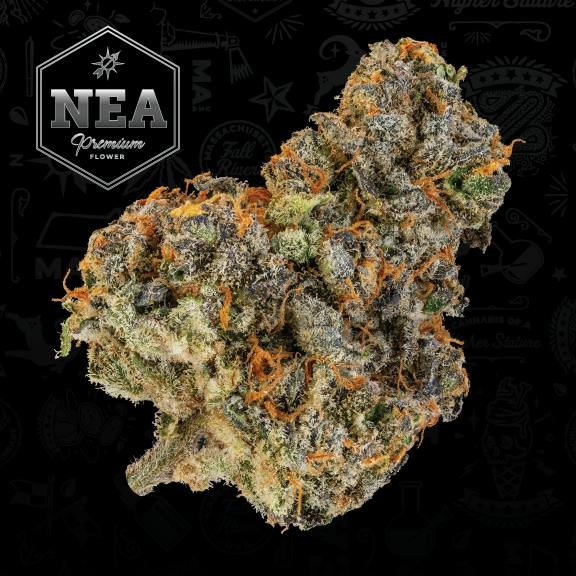
Indica, sativa or hybrid? With thousands of marijuana strains out there, choosing the right one can feel overwhelming. This complete guide explains the difference between indica and sativa, what really drives a strain’s effects, the best strains for relaxation, sleep, energy and more, profiles of popular strains like Blue Dream, Wedding Cake and Gelato, and how to shop strains at The Joint on Market in Salem, Oregon.
📍 The Joint on Market · 3270 Market St NE, Salem, OR 97301 · Adults 21+
“What’s the difference between indica and sativa?” is one of the most common questions our budtenders hear. Every month, thousands of people search for “marijuana strains,” “best marijuana strains,” “effects of sativa” and “best marijuana for sleep.” They want to know which strain will give them the experience they’re looking for.
At The Joint on Market, a licensed dispensary in Salem, we stock a rotating menu of lab-tested Oregon strains across every category. This guide explains how strains work, how to choose one, and which popular strains to ask about, so you can shop with confidence.
Marijuana Strains: The Quick Guide
| Question | Quick answer |
|---|---|
| What is a strain? | A specific variety of cannabis with its own genetics, aroma and effects |
| Indica | Often described as relaxing and body-focused |
| Sativa | Often described as uplifting and energizing |
| Hybrid | A cross of indica and sativa; most modern strains |
| What matters most? | THC, CBD, terpenes and your own body, not just the label |
| Best way to choose | Decide how you want to feel, then follow your nose |
| Who can buy | Adults 21+ with valid ID |
What Is a Marijuana Strain?
A marijuana strain is a specific variety of cannabis, bred to have particular traits, like a certain aroma, flavor, appearance, potency or effect. Strains are created by crossing parent plants, much like apple varieties or dog breeds.
There are thousands of strains, with names that range from classic (Northern Lights, Jack Herer) to playful (Wedding Cake, Gary Payton, Permanent Marker). Strain names help you identify a product, but because breeders and growers vary, the same strain name can differ a bit from one producer or batch to the next.
Cannabis Sativa, Indica and Ruderalis: The Botany
You might see “Cannabis sativa” written in many ways online. Botanically, cannabis is a genus of flowering plants. Scientists still debate how to classify it, but three types are commonly described:
- Cannabis sativa: originally described as tall plants with narrow leaves, from warmer regions near the equator
- Cannabis indica: originally described as shorter, bushier plants with broad leaves, from mountainous regions like the Hindu Kush
- Cannabis ruderalis: a small, hardy type that flowers automatically based on age rather than light; used to breed “autoflower” strains
Today, almost all cannabis sold in dispensaries comes from generations of crossbreeding between these types. That’s why most strains are technically hybrids.
What’s the Difference Between Indica and Sativa Marijuana?
In dispensaries, “indica” and “sativa” are used as shorthand for the kind of experience a strain is expected to give:
| Indica | Sativa | Hybrid | |
|---|---|---|---|
| Common description | Relaxing, calming, body-focused | Uplifting, energizing, head-focused | A blend; can lean either way |
| Often chosen for | Evenings, unwinding, sleep | Daytime, socializing, creativity | Almost any occasion |
| Plant shape (traditional) | Short, bushy, broad leaves | Tall, slim, narrow leaves | Varies |
| Common phrase | “In da couch” | “Uplifting head high” | “Best of both” |
Effects of sativa
Sativa strains are commonly described as:
- Uplifting and euphoric
- Energizing and motivating
- Creative and talkative
- Clear-headed or “heady”
Sativa side effects
Some people find sativa-leaning strains can cause:
- Racing thoughts or anxiety, especially at high doses
- Increased heart rate
- Restlessness
- Trouble sleeping if used late in the day
If you’re prone to anxiety, start with a low dose or choose a balanced or CBD-rich strain.
Effects of indica
Indica strains are commonly described as:
- Relaxing and calming
- Body-heavy or “stoned”
- Sleepy, especially at higher doses
- Appetite-boosting
Indica side effects
Common indica side effects include drowsiness, grogginess, couch-lock (not wanting to move) and the munchies. Many people save indicas for the evening.
The Truth About Indica vs. Sativa
Here’s something many dispensaries don’t explain: the indica/sativa label doesn’t perfectly predict how a strain will feel. Decades of crossbreeding mean most strains are hybrids, and researchers have found that a strain’s label doesn’t always match its chemistry.
What actually shapes a strain’s effects:
- THC level: higher THC usually means stronger effects
- CBD level: more CBD often means a gentler, smoother experience
- Terpenes: aroma compounds that many believe shape the overall feel
- Minor cannabinoids: like CBG and CBN
- Your body and tolerance: everyone reacts differently
- Dose and setting: how much you take, and where and when
So use indica, sativa and hybrid as a helpful starting point, then pay attention to THC, CBD and especially terpenes.
Hybrid Strains: The Best of Both
Most strains today are hybrids. They’re often described by which side they lean toward:
- Sativa-dominant hybrids: uplifting with some body relaxation (Blue Dream is a classic example)
- Indica-dominant hybrids: relaxing with some mental lift (Wedding Cake is often described this way)
- Balanced hybrids: an even mix of head and body effects
Hybrids are a great choice if you want something versatile, or if you’re not sure what to pick.
Terpenes: The Real Secret to Choosing a Strain
Terpenes are the aromatic oils that give each strain its smell and flavor. Many consumers find terpenes are a better guide to how a strain will feel than its indica or sativa label.
| Terpene | Smells like | Often found in strains described as |
|---|---|---|
| Myrcene | Earthy, musky, mango | Relaxing, sedating |
| Limonene | Lemon, orange | Uplifting, mood-boosting |
| Caryophyllene | Black pepper, spice | Calming, grounding |
| Pinene | Pine, rosemary | Alert, clear-headed |
| Linalool | Lavender, floral | Calming, soothing |
| Terpinolene | Fruity, herbal, floral | Energetic, creative |
| Humulene | Hops, woody | Earthy, balanced |
| Ocimene | Sweet, herbal | Bright, uplifting |
Pro tip: smell several jars. If a strain smells especially good to you, there’s a good chance you’ll enjoy it.
How to Choose the Right Marijuana Strain
Follow these five steps next time you shop:
- Decide how you want to feel. Relaxed? Energized? Social? Sleepy?
- Pick a direction. Indica-leaning for relaxation, sativa-leaning for energy, hybrid for balance.
- Choose your THC level. Beginners: under 18%. Regulars: 18% to 25%. Experienced: 25%+.
- Consider CBD. Balanced THC:CBD strains are gentler and great for anxious or new consumers.
- Follow your nose. Choose the aroma that appeals to you most.
Then try a small amount, a gram, an eighth or a pre-roll, before committing to a larger size.
👉 Browse strains by type in our online shop
Best Marijuana Strains by Goal
Everyone’s body is different, so these are general suggestions based on how strains are commonly described and what our customers often choose. They are not medical advice.
Best strains for relaxation
Look for indica or indica-leaning hybrids with myrcene, caryophyllene or linalool. Strains often chosen include Wedding Cake, Northern Lights and Purple Punch.
Best marijuana for sleep
Many people searching for “best marijuana for sleep” choose indica-leaning strains with myrcene or linalool, taken an hour or so before bed. Some prefer low-dose edibles, which last longer through the night. Research on cannabis and long-term sleep is mixed, and nightly use can build tolerance, so many people use it occasionally. If you have ongoing sleep problems, talk to your doctor.
Best marijuana for anxiety
This one needs care. THC can ease stress for some people but increase anxiety for others, especially at higher doses. If you’re looking for the “best marijuana strain for anxiety,” most budtenders suggest:
- High-CBD or balanced THC:CBD strains
- Lower THC levels
- Strains rich in linalool, limonene or caryophyllene
- Very small doses to start
If you have an anxiety disorder, talk to a healthcare provider before using cannabis.
Best marijuana for pain and arthritis
Research has found substantial evidence that cannabis can help some adults with chronic pain. People searching for the “best marijuana for pain” or “best marijuana for arthritis” often choose balanced THC:CBD strains, indica-leaning hybrids, or topicals and tinctures. Results vary widely, and cannabis can interact with medications, so talk to your doctor first. For wellness-focused shopping, read where to buy medical cannabis.
Best strains for energy and focus
Sativa or sativa-leaning hybrids with limonene, pinene or terpinolene, such as Green Crack, Jack Herer or Blue Dream, are often chosen for daytime energy. Keep doses low for focus.
Best strains for creativity
Many artists and musicians reach for uplifting sativas and sativa-leaning hybrids with terpinolene or limonene. Low to moderate doses tend to work best.
Best strains for socializing
Balanced hybrids and uplifting sativas are popular for social occasions. Pre-roll multipacks make it easy to share.
Best strains for intimate evenings
Some adults look for the “best marijuana for sex.” Experiences vary a lot from person to person. Many people prefer low to moderate doses of balanced or uplifting hybrids, since too much THC can make some people anxious or sleepy. Communicate with your partner and always make sure everyone is comfortable.
Best strains for beginners
Mild hybrids under 18% THC, balanced THC:CBD strains, or a single pre-roll. Start with one or two small puffs and wait 10 to 15 minutes.
Popular Marijuana Strains Guide
Here are some of the most searched and best-known strains. Effects vary between growers, batches and people, and our stock changes often, so ask in store or check the online shop for what’s available.
Blue Dream
- Type: Sativa-leaning hybrid
- Aroma: Sweet berry, blueberry, herbal
- Commonly described as: Balanced, uplifting and relaxing; a classic all-day strain
- Good for: Beginners and regulars alike
Wedding Cake
- Type: Indica-leaning hybrid
- Aroma: Sweet vanilla, earthy, peppery
- Commonly described as: Relaxing and euphoric, often potent
- Good for: Evenings and winding down
Gelato
- Type: Hybrid
- Aroma: Sweet, fruity, dessert-like
- Commonly described as: Euphoric and relaxing, with a balanced high
- Good for: Flavor lovers
Northern Lights
- Type: Indica
- Aroma: Earthy, sweet, piney
- Commonly described as: Deeply relaxing; a legendary nighttime strain
- Good for: Evenings and sleep
White Widow
- Type: Balanced hybrid
- Aroma: Earthy, woody, peppery
- Commonly described as: Euphoric and energizing with some relaxation
- Good for: Social time and classic strain fans
Gorilla Glue (GG4)
- Type: Hybrid
- Aroma: Earthy, piney, diesel
- Commonly described as: Very potent, heavy relaxation
- Good for: Experienced consumers
Ice Cream Cake
- Type: Indica-leaning hybrid
- Aroma: Creamy, sweet vanilla, sugary
- Commonly described as: Relaxing and sedating
- Good for: Nighttime
Permanent Marker
- Type: Hybrid
- Aroma: Sharp, inky, floral and gassy
- Commonly described as: Potent and relaxing, with a distinctive aroma
- Good for: Connoisseurs looking for unique terpene profiles
Gary Payton
- Type: Hybrid
- Aroma: Gassy, peppery, herbal
- Commonly described as: Potent, with an uplifting start and relaxing finish
- Good for: Experienced consumers
GMO (Garlic Cookies)
- Type: Indica-leaning hybrid
- Aroma: Savory garlic, onion, diesel
- Commonly described as: Very strong and sedating
- Good for: Experienced consumers who enjoy savory aromas
Purple strains (Purple Punch, Granddaddy Purple and more)
- Type: Usually indica-leaning
- Aroma: Grape, berry, sweet
- Commonly described as: Calming and relaxing
- Good for: Evenings
Purple color comes from natural plant pigments called anthocyanins. It looks beautiful but doesn’t by itself mean a strain is stronger.
Runtz
- Type: Hybrid
- Aroma: Sweet, candy-like, fruity
- Commonly described as: Smooth and euphoric
- Good for: Flavor lovers and social occasions
Green Crack
- Type: Sativa
- Aroma: Tangy citrus, mango
- Commonly described as: Energizing and focused
- Good for: Daytime
Jack Herer
- Type: Sativa-leaning
- Aroma: Spicy pine, earthy
- Commonly described as: Clear-headed and uplifting
- Good for: Daytime and creativity
Sour Diesel
- Type: Sativa
- Aroma: Pungent diesel, citrus
- Commonly described as: Energizing and fast-acting
- Good for: Daytime energy
OG Kush
- Type: Hybrid
- Aroma: Earthy pine, lemon, fuel
- Commonly described as: Euphoric and relaxing; the parent of many modern strains
- Good for: Classic strain lovers
Gold Leaf
A hybrid many shoppers search for by name. Availability varies, so ask our budtenders whether it’s in stock or for similar strains.
Strongest Marijuana Strains: A Word of Caution
Some people look specifically for the “strongest marijuana strain.” Very high-THC strains (25% to 30%+) can be enjoyable for experienced consumers, but they can also cause anxiety, a racing heart or couch-lock for others. Strength isn’t the same as quality, and many connoisseurs prefer moderate-THC strains with outstanding flavor. If you do choose a high-THC strain, take small puffs and wait between them.
Medical Marijuana Strains
People who use cannabis for wellness often choose strains based on CBD content, THC:CBD ratio and terpenes rather than indica or sativa alone. High-CBD strains provide milder effects, while balanced strains offer a gentler high. If you’re using cannabis for a health condition, talk to your doctor, especially if you take other medications.
Strain Trends: Best Marijuana Strains of 2026
Strain popularity changes every year. Trends we’re seeing in 2026 include:
- Dessert and candy strains with sweet, fruity terpene profiles
- Gassy, savory strains with strong fuel and garlic aromas
- Unique, “exotic” terpene profiles prized by connoisseurs
- Balanced THC:CBD strains for people who want gentler effects
- Oregon sungrown craft strains from local farms
- Live resin and rosin versions of popular strains for concentrate fans
Ask our budtenders what’s trending this month, or check our online menu.
Why the Same Strain Can Feel Different
Ever bought a strain you loved, and the next batch felt different? That’s normal. Here’s why:
- Different growers may use different genetics labeled with the same name.
- Phenotypes: plants from the same seeds can express different traits.
- Growing conditions: light, soil, nutrients and climate affect terpenes and potency.
- Harvest timing, drying and curing all change the final product.
- Freshness: older flower loses terpenes and can feel different.
- Your own state: mood, sleep, food and tolerance all play a role.
That’s why it’s worth noting the grower or brand as well as the strain name when you find something you love.
Strain Shopping Mistakes to Avoid
- Choosing by name alone. Check THC, CBD, terpenes and the grower.
- Always buying the highest THC. It’s not always the best experience.
- Expecting every indica to make you sleepy. Labels are a guide, not a guarantee.
- Buying a large amount of a new strain. Start with a gram, eighth or pre-roll.
- Forgetting to smell the jar. Your nose is one of your best tools.
- Not keeping notes. Write down strains you like so you can find them again.
How to Track Your Favorite Strains
Keep a simple strain journal on your phone. For each strain, note:
- Strain name and grower or brand
- Indica, sativa or hybrid
- THC and CBD percentages
- Main terpenes or aroma
- How you consumed it
- How it made you feel
- Whether you’d buy it again
After a few weeks, you’ll see patterns, like which terpenes you love, and choosing strains will get much easier. Share your notes with our budtenders and they can suggest similar strains.
Landrace Strains: Where It All Began
Landrace strains are original cannabis varieties that grew naturally in one region for generations before modern crossbreeding. Many of today’s popular strains descend from them. Examples include:
- Afghani and Hindu Kush: classic indicas from the mountains of Afghanistan and Pakistan
- Thai and Durban Poison: classic sativas from Thailand and South Africa
- Acapulco Gold and Panama Red: legendary sativas from Mexico and Panama
True landrace flower is rare in dispensaries today, but you’ll see their names in the family trees of many modern strains.
How Strains Get Their Names
Strain names can seem random, but they usually come from one of these:
- Aroma or flavor: Blueberry, Lemon Haze, Sour Diesel
- Appearance: White Widow (frosty trichomes), Purple Punch (purple color)
- Parent strains: Ice Cream Cake and other “dessert” names often reference their parents
- Place of origin: Hindu Kush, Durban Poison, Acapulco Gold
- Pop culture and people: Gary Payton, Jack Herer
- Breeder creativity: many names are just fun and memorable
High-CBD Strains
High-CBD strains contain more CBD than THC, or a balanced mix of both. They produce milder effects and are popular with:
- People who are new to cannabis
- People who feel anxious with high THC
- Wellness-focused shoppers
- Anyone who wants to stay clear-headed
Look for labels showing a CBD:THC ratio like 1:1, 2:1 or higher. Our budtenders can point you to current high-CBD and balanced options.
Autoflower Strains
Autoflower strains are bred with Cannabis ruderalis genetics, so they start flowering based on age rather than light. They’re mostly of interest to home growers, because they’re compact and fast. For shoppers, autoflower flower can be just as enjoyable as any other strain.
Common Myths About Indica and Sativa
Myth: Indica always makes you sleepy. Fact: Some indicas feel relaxing without sleepiness. Dose, terpenes and your body matter.
Myth: Sativa always gives you energy. Fact: High doses of any strain can make you tired, and some sativas feel mellow.
Myth: Indica is “in da couch,” sativa is “into the sky,” and that’s all you need to know. Fact: These are fun sayings, but chemistry is more complicated. Use them as a rough guide.
Myth: Pure indicas and sativas are common. Fact: Almost everything on dispensary shelves today is a hybrid of some kind.
Myth: You should always choose the highest THC. Fact: Moderate THC with great terpenes often gives a better experience.
Strain Glossary
- Cultivar: another word for strain, preferred by many growers.
- Hybrid: a cross of indica and sativa genetics.
- Indica: strains commonly described as relaxing and body-focused.
- Landrace: an original strain native to one region.
- Lineage / genetics: a strain’s family tree.
- Phenotype (“pheno”): the specific traits a plant expresses from its genetics.
- Sativa: strains commonly described as uplifting and energizing.
- Terpene profile: the mix of aromas in a strain.
- Chemotype: a strain’s chemical makeup of cannabinoids and terpenes.
- Exotic: a slang term for rare or trendy strains with unique flavors.
How to Buy Marijuana Strains in Salem
Order online and pick up
- Browse strains in our online shop.
- Filter by indica, sativa or hybrid.
- Compare THC, CBD and size.
- Place your order and pick it up at 3270 Market St NE with valid ID.
Learn more in Can You Buy Weed Online?
Shop in store
Visit our dispensary and let our budtenders help you compare strains, smell jars and find the right fit.
Try strains in different forms
Many strains are available as:
- Flower in grams, eighths, quarters and more
- Pre-rolls to sample a strain easily
- Vape carts, including live resin versions. See where to buy THC vapes, hash and oils.
- Concentrates for experienced consumers
New to cannabis? Start with our beginner’s guide to buying weed. Looking for other options nearby? See where to buy weed near me.
Marijuana Strains FAQs
What is the difference between indica and sativa marijuana? Indica strains are commonly described as relaxing and body-focused; sativa strains as uplifting and energizing. Most strains today are hybrids, and THC, CBD and terpenes often matter more than the label.
What are the effects of sativa? Sativa strains are often described as uplifting, energizing, creative and euphoric.
What are sativa side effects? Some people experience racing thoughts, anxiety, increased heart rate or trouble sleeping, especially at high doses or late in the day.
What is a hybrid strain? A cross between indica and sativa genetics. Hybrids can lean either way or be balanced.
What’s the best marijuana strain? There’s no single best strain. The best strain is the one that matches how you want to feel, your experience level and your taste.
What are the best strains for sleep? Many people choose indica-leaning strains rich in myrcene or linalool. Talk to your doctor if you have ongoing sleep problems.
What are the best strains for anxiety? High-CBD or balanced THC:CBD strains at low doses are commonly suggested, since high THC can increase anxiety for some people.
What are the best strains for pain? Many people choose balanced THC:CBD or indica-leaning strains, but results vary. Talk to your doctor before using cannabis for pain.
Why does the same strain feel different sometimes? Different growers, phenotypes, growing conditions, freshness and your own state all affect how a strain feels.
Where can I buy marijuana strains in Salem? At The Joint on Market, 3270 Market St NE, Salem, OR 97301, or through our online shop.
Find Your Perfect Strain at The Joint on Market
Whether you’re looking for a relaxing indica, an uplifting sativa or a perfectly balanced hybrid, our rotating menu of lab-tested Oregon strains has something for you. Stop by and let our budtenders help you find your new favorite.
📍 3270 Market St NE, Salem, OR 97301
For use only by adults 21 years of age and older. Strain effects vary by person and batch. This article is for general information only and is not medical advice. Keep out of reach of children and pets. Do not drive or operate machinery under the influence. Do not use if pregnant or breastfeeding. It is illegal to take cannabis across state lines.