

What is THC? It’s the compound in weed that gets you high, and the number on every cannabis label in Oregon. This complete guide explains what THC is, how it works, how much THC is right for you, its effects and side effects, whether THC is legal, and how to buy THC products in Salem.
📍 The Joint on Market · 3270 Market St NE, Salem, OR 97301 · Adults 21+
“What is THC?” is one of the most searched cannabis questions in the United States. Tens of thousands of people ask it every month, along with “is THC bad for you?”, “is THC weed?” and “is THC legal?”
That makes sense. THC is printed on every jar of flower, every pack of gummies and every vape cart at a licensed dispensary. It’s the number most shoppers look at first. But many people aren’t sure what it actually means, or how to use it to pick the right product.
At The Joint on Market, a licensed dispensary in Salem, Oregon, our budtenders explain THC every day. This guide puts everything in one place, so the next time you shop for weed, online or in store, you’ll know exactly what you’re buying.
What Is THC?
THC (tetrahydrocannabinol) is the main psychoactive compound in cannabis. It’s the chemical responsible for the “high” people feel when they smoke, vape, eat or drink marijuana.
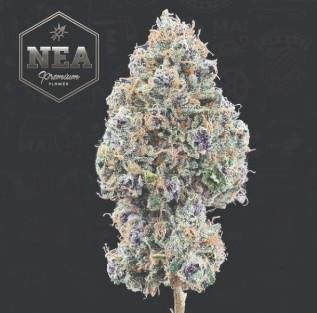
THC is one of more than 100 natural compounds in the cannabis plant called cannabinoids. It’s made in tiny resin glands called trichomes, which cover the flowers (buds) of the cannabis plant and give good weed its frosty, sparkly look.
You’ll sometimes see it written as T.H.C., Δ9-THC or delta-9-THC. They all refer to the same compound.
THC definition
A simple definition: THC is the natural chemical in cannabis that affects your brain and produces a high, including changes in mood, perception, appetite and sense of time.
What does THC stand for?
THC stands for tetrahydrocannabinol. Its full scientific name is delta-9-tetrahydrocannabinol, which describes where a particular chemical bond sits in the molecule. That’s why you’ll often see “delta-9 THC” on labels and in news stories.
Who discovered THC?
THC was first isolated and identified in 1964 by Israeli scientists Raphael Mechoulam and Yehiel Gaoni. Their discovery eventually led researchers to find the body’s own endocannabinoid system in the late 1980s and early 1990s.
How Does THC Work?
THC works because your body already has a system designed to respond to compounds like it: the endocannabinoid system (ECS).
The endocannabinoid system
The ECS is a network of receptors, natural chemical messengers and enzymes found throughout your brain and body. It helps regulate mood, appetite, sleep, memory, pain and how you respond to stress. Your body makes its own cannabinoid-like molecules, such as anandamide, to keep these systems in balance.
THC and CB1 receptors
THC closely resembles anandamide, so it can bind to the same receptors, especially CB1 receptors, which are concentrated in the brain. When THC activates CB1 receptors, it changes how brain cells communicate. This is what produces the familiar effects:
- Euphoria and relaxation: THC triggers the release of dopamine, the brain’s “feel-good” chemical.
- Altered perception: Music, food and colors may seem more intense.
- Changes in time perception: Minutes can feel longer.
- Increased appetite: THC stimulates hunger signals (“the munchies”).
- Short-term memory effects: THC affects the hippocampus, which handles new memories.
THC and CB2 receptors
THC also interacts with CB2 receptors, which are found mostly in the immune system and body tissues. Researchers are still studying how this connection relates to inflammation and pain.
Is THC Weed? THC vs. Weed vs. Cannabis
People often search “is THC weed?” Here’s the simple answer: THC is a compound found in weed, but it isn’t weed itself.
- Cannabis is the plant.
- Weed (or marijuana) is cannabis that contains enough THC to get you high.
- THC is the specific chemical in weed that causes the high.
Think of it like coffee and caffeine. Coffee is the drink; caffeine is the compound in it that wakes you up. In the same way, weed is the plant; THC is what produces its effects.
Hemp is also cannabis, but it contains very little THC (0.3% delta-9 THC or less by dry weight), so it won’t get you high. Marijuana flower sold at Oregon dispensaries commonly tests between 15% and 30% THC.
Is THC a Drug?
Yes. THC is a psychoactive drug, meaning it changes how your brain works. Under federal law, marijuana and most THC are classified as controlled substances. In April 2026, the federal government moved FDA-approved marijuana products and state-licensed medical marijuana to Schedule III, while recreational marijuana remained in Schedule I.
Under Oregon law, THC products are legal for adults 21 and older when bought from licensed retailers. Like alcohol or caffeine, THC is a substance that should be used responsibly and in moderation.
Types of THC
When people say “THC,” they almost always mean delta-9 THC. But there are several related forms you may see on labels or in the news:
Delta-9 THC
The main psychoactive cannabinoid in marijuana and the one responsible for most of its effects. This is what most lab tests and labels refer to as “THC.”
THCA (tetrahydrocannabinolic acid)
Raw cannabis contains mostly THCA, not THC. THCA doesn’t get you high on its own. When you heat cannabis, by smoking, vaping or baking, THCA converts into active THC through a process called decarboxylation. That’s why eating raw cannabis won’t produce a high.
Total THC
Because flower contains mostly THCA, Oregon labels show total THC, which estimates how much active THC the product will produce once heated. Total THC is calculated as THC + (THCA × 0.877), since some weight is lost during conversion.
Delta-8 THC
A close chemical cousin of delta-9 that is usually reported as milder. Most delta-8 on the market is made by chemically converting hemp-derived CBD. Oregon tightly regulates these artificially derived cannabinoids, so buy only from licensed, compliant retailers.
THCV (tetrahydrocannabivarin)
A minor cannabinoid found in some strains, often discussed for its different effect profile. Research is still early.
THC vs. CBD: What’s the Difference?
THC and CBD are the two best-known cannabinoids. Here’s how they compare:
| THC | CBD | |
|---|---|---|
| Gets you high? | Yes | No |
| Main receptors | Binds strongly to CB1 (brain) | Works indirectly; doesn’t strongly bind CB1 |
| Common effects | Euphoria, relaxation, appetite, altered perception | Calm, balanced feeling for many people |
| Possible side effects | Anxiety at high doses, dry mouth, red eyes, short-term memory effects | Drowsiness, digestive upset, medication interactions |
| Legal status in Oregon | Legal for adults 21+ from licensed retailers | Widely available; also sold in dispensaries |
Many people enjoy balanced THC:CBD products (such as 1:1). CBD may soften some of THC’s intensity, making the experience smoother, especially for beginners.
How Much THC Gets You High?
There’s no single answer, because THC affects everyone differently. Body chemistry, tolerance, how you consume it and even what you’ve eaten all play a role. Still, these general ranges help.
THC in flower and pre-rolls
| THC % | What it usually means |
|---|---|
| Under 15% | Mild to moderate; good for beginners |
| 15% to 20% | Moderate; a comfortable everyday range for many |
| 20% to 25% | Strong; better for regular consumers |
| Over 25% | Very strong; for experienced users |
THC in edibles and drinks
Edibles are measured in milligrams (mg) of THC, not percentage. In Oregon, recreational edibles are limited to 5 mg of THC per serving and 50 mg per package.
| THC dose | Who it’s for |
|---|---|
| 1 to 2.5 mg | Microdose; first-timers and very sensitive people |
| 2.5 to 5 mg | Standard beginner dose; one Oregon serving |
| 5 to 10 mg | Moderate; occasional users |
| 10 mg and up | Strong; experienced users only |
New to edibles? Start with 2.5 mg or less and wait at least two hours before taking more. Learn more in where to buy edibles and THC gummies.
THC in vapes and concentrates
Vape carts and concentrates are much stronger than flower, often 60% to 90% THC. A small puff or dab delivers a lot of THC quickly, so beginners should take one small hit and wait.
THC Effects by Consumption Method
How you consume THC changes how fast it kicks in and how long it lasts:
| Method | Kicks in | Lasts | Notes |
|---|---|---|---|
| Smoking flower or pre-rolls | 2 to 10 minutes | 1 to 3 hours | Easy to control dose by puff |
| Vaping | 2 to 10 minutes | 1 to 3 hours | Less smoke and smell |
| Dabbing concentrates | Almost immediately | 1 to 3 hours | Very potent; experienced users |
| Edibles | 30 minutes to 2 hours | 4 to 8 hours | Stronger, longer, easy to overdo |
| THC drinks | 15 to 45 minutes | 2 to 4 hours | Often faster than other edibles |
| Tinctures (under the tongue) | 15 to 45 minutes | 2 to 6 hours | Precise dosing with a dropper |
| Topicals | Local only | Varies | Generally no high |
Why edibles feel different
When you eat THC, your liver converts it into a compound called 11-hydroxy-THC, which many people find stronger and longer-lasting than smoked THC. That’s why a 10 mg gummy can feel far more intense than a few puffs of a joint.
Effects of THC
Common positive effects
People choose THC for many reasons. Commonly reported effects include:
- Relaxation and stress relief
- Euphoria and an elevated mood
- Laughter and sociability
- Enhanced enjoyment of music, food and art
- Increased appetite
- Feeling sleepy (especially with some indica-leaning strains)
- Creative or reflective thinking
THC side effects
THC can also cause unwanted effects, especially at higher doses or for new users. Common THC side effects include:
- Dry mouth (“cottonmouth”)
- Red or dry eyes
- Increased heart rate
- Dizziness or lightheadedness
- Short-term memory lapses
- Slowed reaction time and coordination
- Anxiety or paranoia, especially with high doses
- Grogginess the next morning, especially after edibles
Most side effects fade as the THC wears off. Drinking water, eating a snack, resting somewhere calm and remembering that it will pass can all help.
Is THC Bad for You?
It depends on how much, how often, and who’s using it.
Lower-risk use
For many healthy adults, occasional, moderate use of lab-tested THC products is low-risk. Research has found real medical value in THC for some conditions, including chemotherapy-related nausea and certain types of chronic pain.
Higher-risk use
THC carries more risk when:
- Used heavily every day, which can lead to tolerance, dependence and cannabis use disorder
- Used by teens and young adults, whose brains are still developing
- Used in very high doses, especially concentrates and strong edibles
- Used during pregnancy or breastfeeding
- Used by people with a personal or family history of psychosis or certain mental health conditions
- Combined with alcohol or driving
Smoking vs. other methods
Smoking anything involves inhaling combustion byproducts. If you’re concerned about your lungs, consider vaping, edibles, tinctures or drinks instead.
If you have health concerns or take medication, talk to your doctor before using THC.
Can You Overdose on THC?
There are no well-documented cases of anyone dying from THC alone. But you can take too much THC, which is often called “greening out.” Symptoms can include:
- Intense anxiety or panic
- Nausea or vomiting
- Racing heart
- Confusion or dizziness
- Feeling very sleepy or unable to move comfortably
Too much THC is unpleasant and can be dangerous for children and pets, who are more likely to need emergency care after eating edibles. If someone feels very unwell, call your doctor, the Poison Control helpline (1-800-222-1222), or 911 in an emergency.
To avoid greening out: start low, go slow, wait before taking more, and never mix THC with alcohol.
How Long Does THC Stay in Your System?
THC is stored in fat cells, so it can stay in your body long after the high wears off. Detection times vary widely by test type and how often you use it:
- Occasional users: often a few days in urine
- Regular users: often a week or more
- Heavy daily users: can be detectable for 30 days or longer
- Hair tests: can detect use for up to around 90 days
Legal weed doesn’t protect you from workplace drug policies, so know your employer’s rules before you use.
Is THC Legal?
Is THC legal in Oregon?
Yes. Adults 21 and older can legally buy and use THC products from OLCC-licensed retailers in Oregon. You can consume THC on private property, but not in public places, and never while driving.
Is THC legal federally?
Not fully. Most THC from marijuana remains a federally controlled substance. In April 2026, FDA-approved marijuana products and state-licensed medical marijuana moved to Schedule III, while recreational marijuana stayed in Schedule I. Because of federal law, you can’t take THC products across state lines, even between legal states. Read Can a Dispensary Ship to Another State?
What about hemp THC products?
Some THC products made from hemp are sold online and in gas stations in other states. Quality and testing vary widely. In Oregon, intoxicating hemp-derived products are regulated, and licensed dispensaries are the safest place to buy tested THC products. Learn how to shop safely in Is Buying Weed Online Legal and Safe?
THC and Driving in Oregon
Driving under the influence of THC is illegal in Oregon, just like driving drunk. THC slows reaction time, affects coordination and makes it harder to judge distance and speed. Effects from edibles can last many hours, so even if you feel “fine,” you may still be impaired. If you’ve used THC, wait until the effects have fully worn off, use a rideshare, or plan to stay in. Keep any unopened THC products sealed in your trunk while driving, and never use THC in a vehicle.
THC Tolerance: Why the Same Dose Feels Weaker Over Time
If you use THC often, your CB1 receptors become less responsive, so you need more to feel the same effects. That’s called tolerance.
The good news: tolerance resets fairly quickly. Many people take a tolerance break (“T-break”) of a few days to a few weeks. Afterward, lower doses work again, which is easier on your body and your wallet.
How to Choose the Right THC Level
Use this quick guide next time you shop:
If you’re new to THC
- Flower or pre-rolls under 18% THC
- Balanced THC:CBD products (like 1:1)
- Edibles at 2.5 mg or less per dose
- One small puff, then wait 10 to 15 minutes
If you use THC occasionally
- Flower in the 18% to 22% range
- Edibles at 2.5 to 5 mg
- Vapes with short, small puffs
If you’re an experienced consumer
- High-THC flower (22%+)
- Concentrates like wax, live resin and rosin
- Higher-dose edibles, if allowed and appropriate for you
Remember: higher THC doesn’t always mean a better experience. Terpenes, other cannabinoids and your own mood matter too. Many experienced consumers prefer mid-range THC strains with great flavor.
How to Read a THC Label in Oregon
Every THC product sold at a licensed Oregon dispensary carries a label with lab-tested information. Here’s what to look for:
- Total THC: the estimated amount of active THC once the product is heated (for flower) or the amount in the product (for edibles and drinks). Flower shows a percentage; edibles show milligrams.
- Total CBD: the amount of CBD. Higher CBD usually means a gentler experience.
- THC per serving and per package: for edibles, drinks and tinctures, check both numbers so you know exactly how much one piece or one sip contains.
- Strain name and type: indica, sativa or hybrid, plus the specific strain.
- Harvest or packaging date: fresher flower usually smells and tastes better.
- Testing lab information: proof that the product passed Oregon’s required testing.
- Universal THC symbol and warnings: Oregon requires a THC warning symbol so cannabis products are easy to recognize and keep away from children.
If a product has no label, no testing information or unclear dosing, don’t buy it. Licensed dispensaries are required to sell only tested, properly labeled THC products.
Why Strains With the Same THC Feel Different
Ever tried two strains with the same THC percentage that felt completely different? You’re not imagining it. THC is only part of the story.
Terpenes
Terpenes are aromatic oils that give each strain its smell and flavor: citrusy limonene, piney pinene, peppery caryophyllene, earthy myrcene. Many consumers find that terpenes shape the overall feel of a strain, from energizing to relaxing.
Other cannabinoids
Cannabis contains many minor cannabinoids, such as CBG and CBN, in small amounts. Together with THC and CBD, they may change how a strain feels.
The “entourage effect”
The idea that cannabinoids and terpenes work together to create a unique experience is called the entourage effect. Research is still developing, but it’s one reason many people prefer whole-flower products and full-spectrum extracts to isolated THC.
Your set and setting
Your mood, environment, energy level, food intake and even how much sleep you’ve had all affect how THC feels. A strain that feels great at a relaxed evening at home might feel different at a busy party.
Practical tip: when you find a strain you love, note its terpene profile, not just its THC number. Our budtenders can help you find similar options.
What Do People Use THC For?
Adults choose THC products for many different reasons. The most common include:
- Relaxing after work: many people use a moderate dose of THC to unwind in the evening.
- Sleep: some people find that THC, especially in edibles or certain strains, helps them fall asleep. Research on long-term sleep benefits is mixed.
- Appetite: THC is well known for stimulating hunger, which is one reason it’s used medically for appetite loss.
- Pain and discomfort: there is substantial evidence that cannabinoids can help some adults with chronic pain.
- Social time and creativity: some strains are favored for conversation, music, art and outdoor activities.
- Enjoyment: for many adults, THC is simply a way to enjoy a movie, a meal or a quiet night in.
If you’re considering THC for a health reason, talk to your doctor first, especially if you take other medications.
Common Myths About THC
Myth: Higher THC is always better. Fact: Very high THC can increase anxiety and side effects. Many people enjoy moderate THC strains with great terpenes more.
Myth: THC and CBD cancel each other out. Fact: CBD may soften some of THC’s effects, but balanced products still produce a noticeable, often smoother, high.
Myth: You can’t take too much THC. Fact: You can. Greening out is unpleasant and avoidable by starting low and going slow.
Myth: Edibles don’t work for me. Fact: Edibles often take up to two hours to kick in. Many people take a second dose too soon and end up overwhelmed. Others need a different product or dose.
Myth: Indica always makes you sleepy and sativa always energizes you. Fact: These are general trends, not rules. THC level, terpenes and your own body matter more.
Myth: Legal THC is the same everywhere. Fact: Products from licensed Oregon dispensaries are lab tested and labeled. Unregulated products sold elsewhere may not be.
THC Glossary: Terms You’ll See at the Dispensary
- Cannabinoid: a natural compound in cannabis, such as THC, CBD, CBG or CBN.
- Decarboxylation: heating cannabis to turn THCA into active THC.
- Delta-9 THC: the main psychoactive form of THC in marijuana.
- Distillate: a highly refined THC oil used in many vapes and edibles.
- Full-spectrum: an extract that keeps many of the plant’s cannabinoids and terpenes.
- Greening out: feeling sick or overwhelmed after taking too much THC.
- Live resin / rosin: flavorful concentrates made from fresh-frozen plants (resin) or with heat and pressure (rosin).
- Microdose: a very small dose of THC, usually 1 to 2.5 mg, for subtle effects.
- Onset time: how long a product takes to kick in.
- Terpenes: aromatic oils that shape a strain’s smell, flavor and feel.
- THCA: the raw, non-intoxicating form of THC found in fresh cannabis.
- Tolerance break: a pause from THC that lets your tolerance reset.
- Total THC: the label figure showing how much active THC a product contains or will produce.
THC Products You Can Buy in Salem
At The Joint on Market, we carry a full range of lab-tested THC products for adults 21+:
- THC flower: indica, sativa and hybrid strains across every THC range
- Pre-rolls: ready-to-smoke joints, including infused high-THC options
- THC edibles: gummies, chocolates and candies, dosed in clear milligrams
- THC drinks: sodas, seltzers and drink mixes
- THC vapes: cartridges and disposables. See where to buy THC vapes, hash and oils.
- THC concentrates: wax, shatter, rosin and live resin
- THC tinctures: easy-to-dose drops
- Topicals: creams and balms for local use
Every product shows its total THC and CBD content on the label. Browse our THC products in the online shop and order ahead, or visit us on Market Street and ask a budtender to help you choose. Prefer to order online? Read Can You Buy Weed Online?
Tips for Using THC Safely
- Buy from a licensed dispensary. Licensed THC products are lab tested for potency and contaminants.
- Read the label. Check total THC, serving size and CBD content.
- Start low and go slow. You can always take more; you can’t take less.
- Wait before redosing. At least 15 minutes for smoking or vaping, two hours for edibles.
- Don’t mix with alcohol. It intensifies effects unpredictably.
- Never drive high. It’s dangerous and illegal.
- Store THC products safely. Keep edibles and drinks locked away from children and pets.
- Take tolerance breaks. They keep THC effective and use healthier.
New to cannabis? Our beginner’s guide to buying weed walks you through your first dispensary visit.
What Is THC? FAQs
What is THC in simple terms? THC is the natural compound in cannabis that makes you feel high.
What does THC stand for? Tetrahydrocannabinol, or more specifically delta-9-tetrahydrocannabinol.
Is THC weed? THC is the compound in weed that causes its effects. Weed is the plant; THC is the active ingredient.
Is THC a drug? Yes. THC is a psychoactive drug. It’s legal for adults 21+ in Oregon when bought from licensed retailers, but most THC remains federally controlled.
Is THC bad for you? Occasional, moderate use is considered low-risk for many healthy adults, but heavy use, high doses, use by young people and use during pregnancy carry real risks.
What are the side effects of THC? Common THC side effects include dry mouth, red eyes, increased heart rate, short-term memory lapses and, at high doses, anxiety or paranoia.
Can you overdose on THC? There are no well-documented deaths from THC alone, but taking too much can cause severe anxiety, nausea and a racing heart. Children and pets are at higher risk.
How much THC should a beginner take? Try flower under 18% THC with one small puff, or an edible with 2.5 mg or less, then wait.
What is the difference between THC and THCA? THCA is the raw, non-intoxicating form found in fresh cannabis. Heat converts THCA into THC.
What is the difference between THC and CBD? THC gets you high; CBD doesn’t. Many products combine both for a more balanced effect.
Is THC legal in Oregon? Yes, for adults 21+ buying from licensed retailers like The Joint on Market.
Where can I buy THC products in Salem? At The Joint on Market, 3270 Market St NE, Salem, OR 97301, or through our online shop for in-store pickup. See also where to buy weed near me.
Find the Right THC Product at The Joint on Market
Now you know what THC is, how it works and how to choose the right amount. The next step is finding the product that fits. At The Joint on Market, our budtenders will help you compare THC levels, formats and strains, with no pressure and no judgement.
📍 3270 Market St NE, Salem, OR 97301
For use only by adults 21 years of age and older. This article is for general information only and is not medical advice. Keep THC products out of reach of children and pets. Do not drive or operate machinery under the influence. Do not use if pregnant or breastfeeding. It is illegal to take marijuana across state lines.