

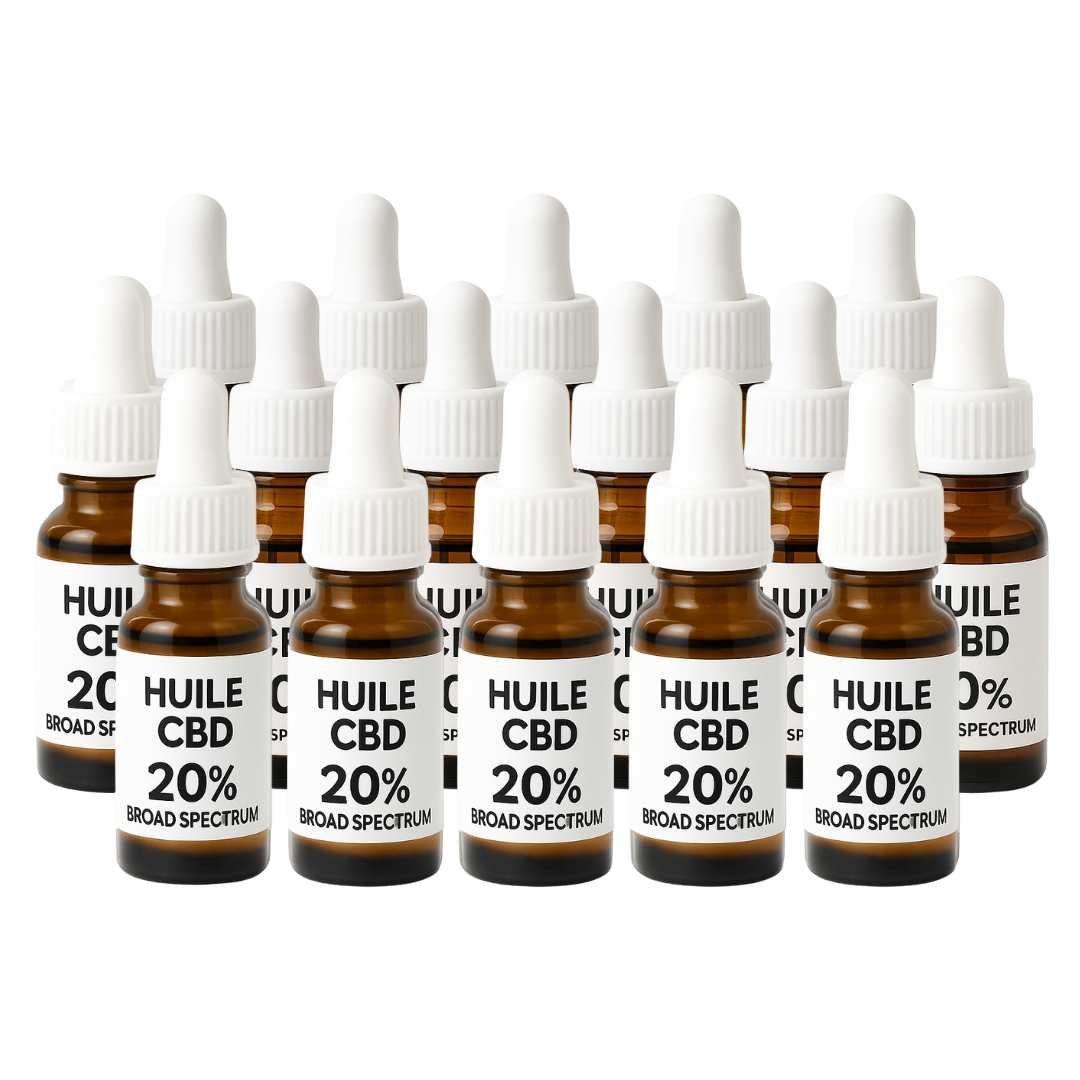
Cannabis Oil Explained: CBD, THC, Full-Extract Oils, Cancer Research and Safety
Cannabis oil is a broad term used for preparations containing compounds derived from cannabis. Different oils may contain CBD, THC, or combinations of cannabinoids, and their biological effects can vary considerably.
Online searches such as “buy cannabis oil,” “where to buy cannabis oil,” “where can you buy cannabis oil,” and “cannabis oil for sale” reflect widespread interest in these preparations. However, commercial availability does not establish that a product is medically effective, appropriately regulated, or safe.
Interest in cannabis oil is particularly significant when discussions involve cancer, pain, and other serious health conditions. Claims about cancer treatment require careful scientific evaluation because unproven products can delay effective medical care.
This guide examines cannabis oil terminology, cannabinoid chemistry, different preparation categories, cancer-related research, safety concerns, and regulatory considerations.
- Cannabis oil is not a single standardized chemical formulation.
- CBD and THC are different cannabinoids with different biological effects.
- THC can produce intoxication and impair coordination, attention, and memory.
- CBD can cause side effects and interact with medications.
- Full-extract cannabis oil may contain multiple cannabinoids.
- There is no reliable clinical evidence that cannabis oil cures cancer.
- Some cannabinoid medicines have been studied for specific cancer-related symptoms.
- Ordinary cannabis oils should not be assumed suitable for inhalation.
What Is Cannabis Oil?
Cannabis oil is a general expression used for oil-based preparations containing compounds associated with cannabis plants.
The cannabis plant contains numerous cannabinoids, including cannabidiol, commonly known as CBD, and tetrahydrocannabinol, commonly known as THC.
Different preparations can contain different combinations of these compounds.
Why Is Cannabis Associated With Oil?
Many cannabinoids are lipophilic, meaning they have an affinity for fats and oils rather than water.
This chemical characteristic helps explain why cannabis-derived compounds are frequently associated with oil-based preparations.
Are All Cannabis Oils the Same?
No. Cannabis oils may differ in cannabinoid content, concentration, carrier substances, and intended applications.
The term cannabis oil alone does not identify the exact chemical composition of a preparation.
Why Does Composition Matter?
Cannabinoid composition influences potential biological effects.
A preparation containing THC may produce intoxication, while a preparation containing predominantly CBD may have a different pharmacological profile.
Neither composition should be assumed free from health risks.
Understanding Common Cannabis Oil Search Terms
Cannabis-related search terminology often mixes commercial language with medical questions.
Where to Buy Cannabis Oil
The phrase “where to buy cannabis oil” is a commercial search term. It does not identify a specific cannabinoid formulation or establish whether a product has undergone medical evaluation.
Buy Cannabis Oil Online
Searches for “buy cannabis oil online” reflect the visibility of cannabis-related products in digital commerce.
However, online availability does not establish legal status, labeling accuracy, or medical effectiveness.
Where Can I Buy Cannabis Oil?
Questions such as “where can I buy cannabis oil” and “where do I buy cannabis oil” often overlook an important distinction: consumer cannabis preparations and approved prescription cannabinoid medicines are not interchangeable.
Cannabis Oil Buy and Cannabis Oils for Sale
Phrases such as “cannabis oil buy” and “cannabis oils for sale” are commercial descriptions rather than scientific classifications.
They do not establish the identity or concentration of cannabinoids within a preparation.
Where to Buy Cannabis Oil With THC
THC-containing cannabis oil differs from CBD-dominant preparations because THC can produce intoxication and other neurological effects.
The presence of THC also affects regulatory classification in many jurisdictions.
Different Types of Cannabis Oil
Several categories of cannabis oil appear in scientific discussions and consumer marketing.
CBD-Dominant Cannabis Oil
CBD-dominant preparations contain cannabidiol as a principal cannabinoid.
CBD does not ordinarily produce the intoxicating high associated with THC, but it can cause side effects and interact with medications.
THC-Containing Cannabis Oil
THC-containing preparations include tetrahydrocannabinol, a cannabinoid associated with intoxication.
THC can influence attention, memory, coordination, mood, and perception.
Mixed Cannabinoid Oils
Some preparations contain combinations of CBD, THC, and other cannabinoids.
The biological effects of mixtures may differ from those of isolated cannabinoids.
Concentrated Cannabis Preparations
Concentrated preparations may contain relatively high proportions of particular cannabinoids.
High concentration does not establish purity or safety.
| Category | General Description | Important Consideration |
|---|---|---|
| CBD-dominant oil | Contains CBD as a principal cannabinoid | May cause side effects and medication interactions |
| THC-containing oil | Contains intoxicating THC | Can impair memory, attention, and coordination |
| Mixed cannabinoid oil | Contains multiple cannabinoids | Effects depend on composition |
| Full-extract oil | Broad term for preparations containing multiple plant-derived compounds | Composition and concentration vary |
| Infused oil | Oil containing cannabis-derived compounds | Intended exposure route matters |
CBD Cannabis Oil vs. THC Cannabis Oil
CBD and THC are among the most extensively discussed cannabinoids, but they have different effects on the body.
How THC Works
THC interacts with cannabinoid receptors involved in neurological signaling.
This interaction contributes to its intoxicating effects and its influence on cognitive and motor functions.
How CBD Differs
CBD has a different pharmacological profile and does not ordinarily cause THC-like intoxication.
Nevertheless, CBD is biologically active and can interact with medications.
What Does Cannabis CBD Oil for Sale Mean?
The phrase “cannabis CBD oil for sale” is a commercial description that does not establish cannabinoid purity, regulatory approval, or medical effectiveness.
What Does High THC Cannabis Oil for Sale Mean?
“High THC cannabis oil for sale” describes a commercial category associated with relatively concentrated THC preparations.
Higher THC concentration can increase the potential for intoxication and other adverse effects.
Full-Extract Cannabis Oil: What Does It Mean?
Full-extract cannabis oil is a term generally associated with preparations containing multiple compounds derived from cannabis.
These compounds may include cannabinoids and other plant-derived substances.
Is Full-Extract Oil the Same as Pure THC?
No. A full-extract preparation may contain multiple cannabinoids rather than a single isolated compound.
Does Full-Extract Mean More Effective?
Not necessarily. The presence of additional compounds does not automatically establish greater medical effectiveness.
Therapeutic claims require appropriate clinical evidence.
Understanding Full Extract Cannabis Oil for Sale
The expression “full extract cannabis oil for sale” is a commercial description rather than a standardized medical classification.
The exact composition of products described with this phrase can vary.
Why Composition Matters
Different cannabinoid combinations may produce different biological responses.
Without accurate chemical information, broad comparisons between preparations are unreliable.
Cannabis-Infused Oil and Cannabis-Infused Olive Oil
Cannabis-infused oils are preparations containing cannabis-derived compounds within an oil-based substance.
What Does Cannabis Infused Oil Mean?
The term generally describes oil containing cannabinoids or other cannabis-derived compounds.
The chemical composition can vary considerably.
Cannabis Infused Oil for Sale
The phrase “cannabis infused oil for sale” is a commercial search term. It does not identify cannabinoid concentration, intended use, or safety.
Cannabis Infused Olive Oil for Sale
“Cannabis infused olive oil for sale” refers to a commercial description involving olive oil and cannabis-derived compounds.
Olive oil is a food ingredient, but the addition of cannabinoids can change the preparation’s biological effects and regulatory status.
Why Oral and Inhaled Exposure Differ
Substances entering the digestive system are processed differently from substances entering the lungs.
Oil-based preparations intended for food use should not be assumed appropriate for inhalation.
Cannabis Oil and Cancer: What Does Scientific Research Say?
Cancer-related searches are among the most medically significant discussions involving cannabis oil.
Phrases such as “cannabis oil cancer where to buy” and “buy cannabis oil for cancer online” reflect interest in whether cannabis-derived preparations can help people affected by cancer.
However, it is essential to distinguish research into cannabinoids from proven cancer treatment.
Can Cannabis Oil Cure Cancer?
There is no reliable clinical evidence that cannabis oil cures cancer in humans.
Laboratory studies investigating cannabinoids and cancer cells do not establish that cannabis oil is an effective cancer treatment in patients.
Why Laboratory Findings Are Not Enough
Researchers sometimes investigate compounds in cells or animal models to explore possible biological mechanisms.
These findings can help generate scientific hypotheses, but they cannot replace properly designed human clinical trials.
Cannabinoids and Cancer-Related Symptoms
Certain cannabinoid medicines have been studied or authorized for specific symptoms associated with cancer treatment.
For example, certain prescription cannabinoid medicines are used for chemotherapy-related nausea and vomiting in particular circumstances.
This does not mean cannabis oil treats the underlying cancer.
Why Delaying Cancer Treatment Is Dangerous
Cancer treatment may involve surgery, chemotherapy, radiotherapy, immunotherapy, targeted therapy, or other medically established approaches.
Replacing recommended treatment with an unproven cannabis preparation can allow cancer to progress.
Research into cannabinoids for symptom management does not establish that cannabis oil prevents, treats, or cures cancer. People affected by cancer should discuss complementary products with their oncology team.
For detailed evidence, consult the
National Cancer Institute’s Cannabis and Cannabinoids evidence summary
.
Understanding Cannabis Oil Cancer Marketing Claims
Searches such as “cannabis oil cancer for sale” and “cannabis oil for cancer for sale” raise important concerns about unsupported medical claims.
Why Cancer Treatment Claims Require Strong Evidence
Cancer is not one single disease. Different cancers have different biological characteristics and require different treatment approaches.
A claim that one oil treats every form of cancer is inconsistent with the complexity of cancer medicine.
What About Personal Testimonials?
Personal testimonials cannot establish that a product caused a medical improvement.
Cancer outcomes may be influenced by established treatments, disease characteristics, and many other factors.
What About Scientific-Sounding Advertising?
Marketing materials may refer to laboratory research, cannabinoids, or biological mechanisms.
Such references should not be interpreted as proof of clinical effectiveness.
Can Cannabis Oil Interact With Cancer Medicines?
Cannabinoids can affect biological pathways involved in drug metabolism.
Potential interactions are particularly important for people receiving complex medical treatment.
An oncology team should be informed about any cannabis-derived products a patient is considering or already using.
Cannabis Vape Oil and Respiratory Health
The phrase “cannabis vape oil for sale” refers to a commercial category associated with cannabis-derived liquids and electronic vaping products.
However, the association with vaping does not establish inhalation safety.
What Is a Vaping Aerosol?
Electronic vaping devices generate aerosols that may contain particles and chemical compounds.
These aerosols are not simply harmless water vapor.
Why Heating Matters
Heating can change the chemical composition of some substances.
The resulting aerosol may contain compounds that were not present in the original liquid.
What Is EVALI?
EVALI stands for e-cigarette, or vaping, product use-associated lung injury.
During the 2019 outbreak, investigators identified a strong association between many cases and THC-containing vaping products contaminated with vitamin E acetate.
Are Long-Term Risks Fully Understood?
No. The long-term respiratory effects of many cannabis-containing aerosols remain incompletely understood.
A lack of complete evidence should not be interpreted as proof of safety.
Online Cannabis Oil Marketing and Product Labeling
Commercial listings can contain detailed descriptions of cannabis-derived preparations.
However, the appearance of a product in an online marketplace does not establish medical effectiveness, chemical purity, or regulatory approval.
Ingredient Claims
Product descriptions may identify CBD, THC, or other cannabinoids.
The accuracy of these statements depends on reliable analysis and manufacturing practices.
Concentration Claims
Concentration describes the claimed amount of a substance within a specified quantity.
A concentration statement does not independently establish safety.
Laboratory Testing
Laboratory testing may provide information about selected cannabinoids and contaminants.
However, testing for one category of substances does not establish the absence of every possible hazard.
Medical Claims
Claims that cannabis oil treats serious medical conditions require appropriate clinical evidence and regulatory authorization.
The FDA has issued warnings concerning unsupported therapeutic claims involving cannabis-derived products.
Potential Health Risks of Cannabis Oil
Cannabis oil can produce different effects depending on its cannabinoid composition.
THC-Related Effects
THC can impair memory, attention, reaction time, and coordination.
Some individuals also experience anxiety, confusion, or uncomfortable changes in perception.
CBD-Related Effects
CBD can cause drowsiness, gastrointestinal symptoms, and other unwanted reactions.
The FDA has also identified potential liver injury and medication interactions as important safety concerns.
Medication Interactions
Cannabinoids may influence the metabolism or effects of certain medications.
These interactions can be especially important for people with complex medical conditions.
Adolescent Brain Development
The brain continues developing throughout adolescence and into young adulthood.
THC exposure during this period raises concerns about learning, attention, and memory.
Pregnancy and Breastfeeding
Public-health authorities advise against cannabis use during pregnancy and breastfeeding because of potential risks.
Legal and Regulatory Considerations
Cannabis regulation varies between jurisdictions and product categories.
Federal Regulation
Federal law distinguishes between different categories of cannabis-derived substances.
The FDA also regulates certain product claims and approved medicines.
State-Level Regulation
State laws may address cannabinoid composition, labeling, product categories, and public-health requirements.
Medical Products vs. Consumer Products
FDA-approved cannabinoid medicines are distinct from consumer cannabis oil preparations.
Regulatory approval applies to specific medicines and authorized uses.
Why Legal Status Does Not Establish Safety
A product being legally available under a particular framework does not establish that it is free from adverse effects or effective for treating disease.
Frequently Asked Questions About Cannabis Oil
1. What is cannabis oil?
Cannabis oil is a broad term for oil-based preparations containing compounds derived from cannabis.
2. Does every cannabis oil contain THC?
No. Some preparations are CBD-dominant, while others contain THC or combinations of cannabinoids.
3. Is CBD oil the same as THC oil?
No. CBD and THC have different pharmacological effects, including differences in intoxication.
4. Can cannabis oil cure cancer?
There is no reliable clinical evidence that cannabis oil cures cancer in humans.
5. Are cannabinoids used for cancer-related symptoms?
Certain prescription cannabinoid medicines are used for specific symptoms, including some cases of chemotherapy-related nausea and vomiting.
6. What is full-extract cannabis oil?
It is a broad term for preparations containing multiple cannabis-derived compounds.
7. Does full-extract mean medically effective?
No. The term does not independently establish clinical effectiveness.
8. What is cannabis-infused oil?
It is an oil-based preparation containing cannabis-derived compounds.
9. Can cannabis-infused olive oil contain THC?
Yes. The cannabinoid composition depends on the preparation.
10. Is high-THC cannabis oil risk-free?
No. THC can cause intoxication, cognitive impairment, and other adverse effects.
11. Can CBD cause side effects?
Yes. CBD can cause drowsiness, gastrointestinal symptoms, and medication interactions.
12. Can cannabis oil interact with cancer treatment?
Potential interactions are possible. Patients should discuss cannabinoid exposure with their oncology team.
13. Is cannabis vape oil safe for the lungs?
The long-term respiratory safety of cannabis-containing aerosols has not been established.
14. What is EVALI?
EVALI is vaping-associated lung injury. Many cases in the 2019 outbreak were linked to THC-containing vaping products contaminated with vitamin E acetate.
15. Does natural mean safe?
No. Natural substances can produce significant biological effects.
16. Can cannabis oil labels be inaccurate?
Yes. Labeling accuracy depends on appropriate manufacturing and testing practices.
17. Does laboratory testing guarantee safety?
No. Testing for selected substances does not establish comprehensive or long-term safety.
18. Are all cannabis oils FDA-approved?
No. FDA approval applies to specific regulated medicines and uses.
19. Is cannabis oil legal everywhere?
No. Legal requirements vary according to jurisdiction, cannabinoid composition, and product category.
20. Where can reliable information about cannabis and cancer be found?
The National Cancer Institute, FDA, CDC, and National Institutes of Health publish scientific information about cannabis and cannabinoids.
Conclusion: Understanding Cannabis Oil Beyond Commercial and Medical Claims
Cannabis oil is a broad term describing preparations with potentially different cannabinoid compositions, concentrations, and intended applications.
CBD and THC have distinct biological effects, and both require careful consideration of possible adverse reactions.
Cancer-related claims deserve particular scrutiny. Although cannabinoids have been investigated for certain cancer-related symptoms, there is no reliable clinical evidence that cannabis oil cures cancer.
Commercial descriptions, product availability, and claims of purity should not replace scientific evidence or appropriate medical care.
Understanding cannabinoid chemistry, clinical research limitations, respiratory concerns, and regulatory differences is essential for accurate public-health education.