

CBD Oil Explained: Purity, Online Marketing, Pain Research, Colorado Regulations and Safety
CBD oil has become a widely discussed cannabis-derived product. However, understanding its ingredients, health effects, regulatory status, and scientific limitations is more important than relying on marketing claims.
Online searches such as “buy CBD oil,” “where to buy CBD oil,” and “where can I buy CBD oil” reflect widespread interest in cannabidiol products. These search phrases also highlight the importance of understanding what CBD actually is and how consumer products differ from approved medicines.
Questions about purity, online product descriptions, CBD for pain, and CBD vaping preparations deserve careful attention because the composition and safety of consumer CBD products can vary.
This guide provides an educational overview of cannabidiol, product terminology, scientific research, labeling limitations, and regulatory considerations. It does not recommend retailers or provide purchasing instructions.
- CBD stands for cannabidiol, a cannabinoid found in cannabis.
- CBD does not ordinarily produce the intoxicating high associated with THC.
- CBD can cause side effects and interact with medications.
- Not all products described as CBD oil have identical compositions.
- Purity claims do not independently establish medical effectiveness or safety.
- Research on CBD for pain remains insufficient to support broad treatment claims.
- Ordinary CBD oil should not be assumed suitable for inhalation.
- Federal and state regulations may differ.
What Is CBD Oil?
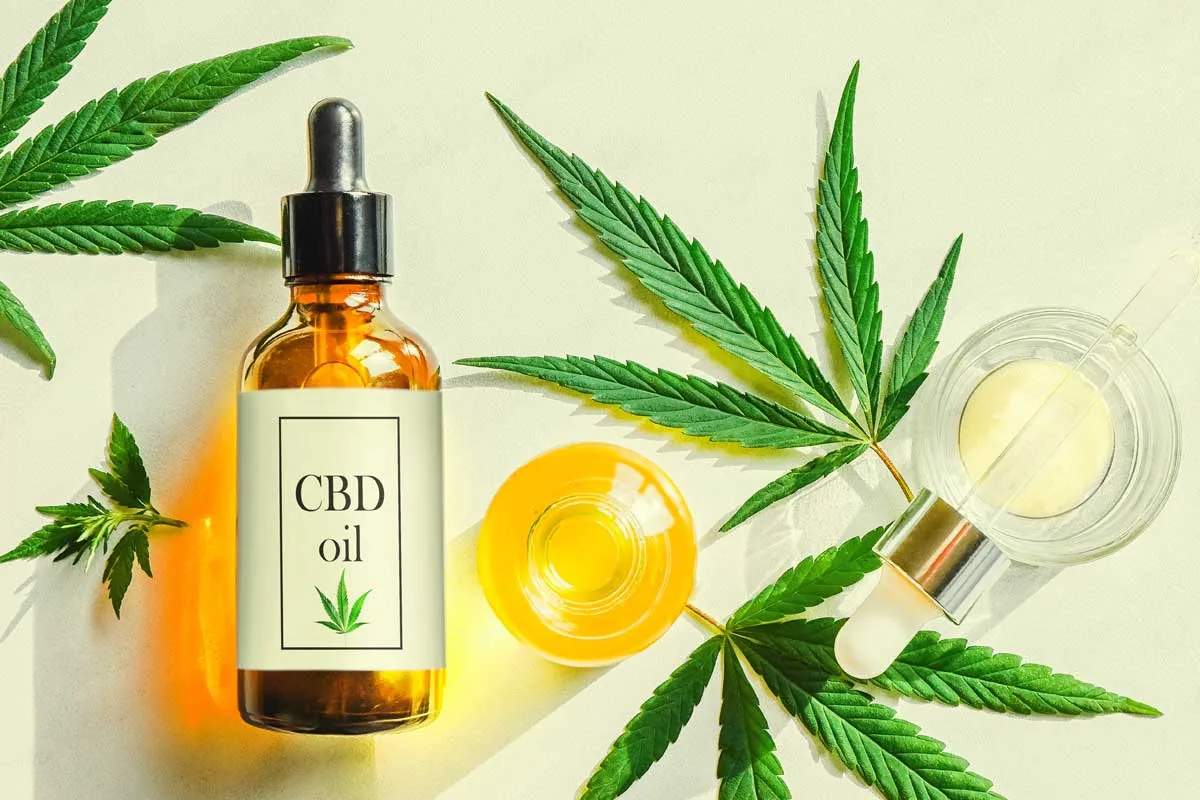
CBD oil is a general term for oil-based preparations containing cannabidiol. CBD is one of the biologically active compounds found in cannabis plants.
Although CBD and THC originate from cannabis, they differ in their biological effects. THC is associated with intoxication, while CBD does not ordinarily produce the same intoxicating experience.
CBD is nevertheless pharmacologically active. It can interact with biological systems, influence the metabolism of certain medications, and produce unwanted side effects.
How Is CBD Different From THC?
THC interacts strongly with cannabinoid receptors involved in neurological signaling. This interaction contributes to its intoxicating effects.
CBD has a different pharmacological profile. However, the absence of a THC-like high should not be interpreted as proof that CBD is harmless.
Why Is CBD Commonly Found in Oil Preparations?
Cannabidiol has chemical properties that make it compatible with oil-based preparations. This explains why CBD is frequently associated with products described as oils.
Different CBD oils may contain different carrier substances and other ingredients. The term CBD oil does not identify one universal formula.
Does Every CBD Oil Contain the Same Ingredients?
No. Formulations vary, and product descriptions do not always provide a complete picture of chemical composition.
This variability is one reason researchers and regulators distinguish between approved medicines and other consumer CBD products.
Understanding Common CBD Oil Search Terms
Search engines receive many questions about cannabidiol. Understanding the language behind these searches can help clarify common misconceptions about CBD.
Buy CBD Oil
The phrase “buy CBD oil” is a commercial search term. It does not identify a specific chemical formulation, establish a product’s legal status, or demonstrate medical effectiveness.
CBD products advertised under similar descriptions may differ in their cannabinoid content, carrier ingredients, and labeling accuracy.
Where to Buy CBD Oil
Searches for “where to buy CBD oil” often reflect uncertainty about product categories and regulation.
A key distinction is that commercial availability does not mean a product has received FDA approval or undergone the same clinical evaluation as a prescription medicine.
CBD Oil Where to Buy
“CBD oil where to buy” is another variation of the same commercial question. The wording does not reveal whether the person is referring to an oral oil, a topical preparation, or another cannabinoid product.
These categories should not be treated as interchangeable because their ingredients and exposure routes can differ.
Where Can I Buy CBD Oil?
The phrase “where can I buy CBD oil” also raises questions about the difference between consumer CBD products and regulated prescription medicines.
An approved prescription medicine has undergone regulatory review for particular medical uses. Consumer CBD products generally should not be assumed to have undergone equivalent evaluation.
A product appearing in a commercial listing does not independently establish its purity, legal status, safety, or medical effectiveness.
Understanding Different CBD Oil Categories
CBD preparations may differ in their chemical composition. Several commonly used terms describe cannabinoid content, but these descriptions should not replace independent scientific evidence.
CBD Isolate
CBD isolate refers to cannabidiol that has been separated from many other cannabis-derived compounds.
The term isolate describes a chemical category rather than a guarantee of absolute purity or safety.
Broad-Spectrum CBD
Broad-spectrum is a commercial description generally associated with preparations containing multiple cannabis-derived compounds while being marketed as having little or no THC.
However, terminology and labeling practices can vary. The description alone does not confirm the exact cannabinoid composition.
Full-Spectrum CBD
Full-spectrum is commonly used to describe preparations containing multiple cannabis-derived compounds, potentially including THC.
The presence of additional cannabinoids may influence biological effects. It does not automatically establish superior effectiveness or safety.
| Category | General Meaning | Important Limitation |
|---|---|---|
| CBD isolate | CBD separated from many other compounds | Purity and safety require evidence |
| Broad-spectrum | Multiple cannabis compounds, often marketed as THC-free | Exact composition may vary |
| Full-spectrum | Multiple cannabis compounds, potentially including THC | Additional cannabinoids may produce additional effects |
What Does Pure CBD Oil Actually Mean?
The phrase “buy pure CBD oil” commonly appears in online searches. However, the word pure can have different meanings depending on how it is used.
In chemistry, purity generally relates to the proportion of a particular substance within a preparation and the presence of other compounds.
Purity Is Not the Same as Safety
A highly concentrated substance can still produce unwanted biological effects.
Even when a preparation contains predominantly CBD, the cannabinoid itself may cause side effects or interact with medications.
Natural Does Not Mean Harmless
CBD is derived from a plant, but natural origin does not establish safety.
Many naturally occurring substances have powerful biological effects. Scientific safety evaluation must consider chemical properties and exposure.
Concentration vs. Purity
Concentration describes how much of a substance is present within a specified quantity. Purity concerns the proportion of the intended substance relative to other materials.
These concepts are related but not identical.
Why Accurate Terminology Matters
Marketing language can create the impression that a product has undergone comprehensive scientific evaluation when it has not.
Claims about purity, natural ingredients, or exceptional quality should not be interpreted as proof of medical benefit.
CBD Oil Online: Understanding Marketing and Product Claims
Searches such as “buy CBD oil online” and “where to buy CBD oil online” reflect the prominence of cannabidiol in digital commerce.
However, online availability creates important questions about labeling, medical claims, and consumer understanding.
Why Online Listings Can Be Misleading
Product descriptions may contain statements about ingredients, wellness benefits, or cannabinoid concentration.
These claims do not necessarily establish that the product has been independently evaluated.
Medical Claims Require Evidence
Some CBD products have been marketed with claims about treating medical conditions.
The FDA has warned that unsupported therapeutic claims can be misleading and may cause people to delay appropriate medical care.
Consumer Products vs. Prescription Medicines
The FDA has approved a specific prescription medicine containing purified cannabidiol for certain seizure disorders.
This approval does not extend automatically to CBD oils advertised for general consumer use.
Why Website Appearance Is Not Proof of Safety
Professional branding, detailed descriptions, and polished packaging do not establish that a preparation is medically effective or free from contaminants.
Scientific evidence and regulatory authorization must be considered separately from marketing presentation.
CBD Oil for Pain: What Does Research Actually Show?
The search phrase “buy CBD oil for pain” reflects public interest in the potential relationship between cannabidiol and pain management.
However, interest in a possible therapeutic application should not be confused with established clinical effectiveness.
Why Researchers Study CBD and Pain
Scientists investigate cannabinoids because the body’s endocannabinoid system participates in several physiological processes.
Research has explored possible relationships between cannabinoid signaling, inflammation, and pain perception.
What Are the Limitations of Current Evidence?
Studies vary in their methods, cannabinoid formulations, participant characteristics, and measured outcomes.
Research involving mixtures of THC and CBD cannot automatically establish the effectiveness of CBD alone.
Some studies are small or have limitations that make broad conclusions difficult.
Is CBD Oil an FDA-Approved Pain Treatment?
Consumer CBD oil is not an FDA-approved treatment for pain.
The FDA-approved prescription CBD medicine is authorized for specific seizure disorders, not general pain management.
Why Pain Should Be Medically Evaluated
Pain can have many causes, including injury, inflammation, nerve-related conditions, and other medical problems.
Appropriate treatment depends on identifying the underlying cause rather than relying on unverified product claims.
Persistent or worsening pain should be discussed with a qualified healthcare professional.
CBD products marketed for pain should not be assumed to be proven treatments. Clinical evidence and regulatory approval are separate from advertising claims.
CBD Oil for Vape Pens: Understanding the Safety Concerns
The search phrase “buy CBD oil for vape pen” combines cannabidiol oil with electronic vaping equipment.
This terminology requires particular caution because ordinary CBD oil and vaping-related liquids may have different ingredients and intended exposure routes.
CBD Oil Is Not Automatically Suitable for Inhalation
Oils intended for oral or topical use should not be assumed appropriate for respiratory exposure.
The lungs and digestive system interact with substances differently.
Vaping Aerosols
Electronic vaping devices can produce aerosols containing particles and chemical compounds.
Heating can also change the chemical composition of some ingredients.
Potential Respiratory Risks
Inhaled substances may irritate respiratory tissues or produce other adverse effects.
The long-term safety of inhaling CBD-containing aerosols has not been established.
Why Ingredient Labels Are Not Enough
An ingredient label may describe the original liquid but does not necessarily explain every substance present in the resulting aerosol.
Evaluating inhalation risks requires evidence specific to respiratory exposure.
CBD Oil in Colorado: Understanding the Regulatory Context
Searches for “buy CBD oil Colorado” often reflect interest in how cannabidiol is treated under Colorado law.
Colorado has an established cannabis regulatory framework, but the legal treatment of different cannabinoid products can vary.
CBD and THC Are Different
CBD and THC have different biological effects and may fall under different regulatory requirements depending on product composition.
Colorado’s Regulatory Framework
Colorado regulates cannabis through state agencies and rules addressing product categories, public health, and other matters.
These rules can evolve, so older online summaries may not accurately reflect current requirements.
Federal Law Still Matters
State-level cannabis regulation does not remove federal requirements applicable to FDA-regulated products.
The FDA retains authority over products containing cannabis-derived compounds within its regulatory jurisdiction.
Legal Status Is Not a Safety Guarantee
A substance’s legal classification does not establish that it is medically effective or free from health risks.
Colorado’s Department of Transportation also cautions that CBD can cause effects such as drowsiness, which may affect alertness.
Potential Health Risks and Side Effects of CBD Oil
CBD is often described in wellness marketing as gentle or natural. However, the FDA has identified several important safety concerns.
Liver Injury
CBD can cause liver injury under certain circumstances.
Some liver-related changes may not produce noticeable early symptoms and may require medical testing to identify.
Medication Interactions
CBD can affect how the body processes certain medications.
These interactions may increase side effects or alter how well a medicine works.
Drowsiness
CBD may cause drowsiness and changes in alertness.
Combining CBD with other substances that cause sedation can increase certain risks.
Digestive Effects
Some individuals experience diarrhea, changes in appetite, or other gastrointestinal symptoms.
Mood Changes
Changes in mood, including irritability or agitation, have also been identified as possible side effects.
Developing Brains
Important questions remain about CBD exposure during childhood and adolescence.
Because brain development continues into young adulthood, unnecessary exposure to biologically active substances warrants particular caution.
Understanding Laboratory Testing and CBD Quality Claims
Laboratory testing is frequently mentioned in discussions about cannabinoid products.
However, testing claims must be interpreted carefully because different analyses examine different substances.
Cannabinoid Identification
Analytical testing can identify certain cannabinoids and estimate their concentrations.
This may help researchers distinguish CBD from THC and other compounds.
Contaminant Analysis
Laboratory analysis may examine selected contaminants, including certain pesticides, heavy metals, or residual chemicals.
A test for one category of substances does not automatically establish the absence of every possible contaminant.
Accuracy of Labeling
The FDA has reported concerns about CBD products containing cannabinoid concentrations different from their labeling claims.
Why Testing Does Not Guarantee Safety
Chemical analysis can provide useful information, but long-term biological safety requires additional scientific investigation.
A laboratory result is not equivalent to clinical proof that a product treats a medical condition.
FDA Regulation and Approved CBD Medicines
The FDA distinguishes between approved prescription medicines and other products containing cannabis-derived compounds.
FDA-Approved Cannabidiol Medicine
Epidiolex is an FDA-approved prescription medicine containing purified cannabidiol.
It is approved for seizures associated with specific medical conditions, including Lennox-Gastaut syndrome, Dravet syndrome, and tuberous sclerosis complex.
Consumer CBD Products
Other CBD products should not be assumed to have undergone equivalent regulatory review.
Unsupported Health Claims
The FDA has warned companies about unsupported claims that CBD products can treat diseases or other medical conditions.
Ongoing Scientific Questions
Researchers continue investigating CBD’s long-term effects, interactions, exposure patterns, and possible risks in different populations.
Frequently Asked Questions About CBD Oil
1. What is CBD oil?
CBD oil is a general term for oil-based preparations containing cannabidiol, a cannabinoid found in cannabis.
2. Does CBD oil cause a high?
CBD does not ordinarily cause the same intoxicating high as THC, although some CBD products may contain THC.
3. Are all CBD oils identical?
No. Formulations can differ in cannabinoid content, carrier ingredients, and other substances.
4. What does pure CBD oil mean?
Purity generally concerns the proportion of the intended substance relative to other compounds. The word pure does not establish safety.
5. Is CBD oil FDA-approved for pain?
No. Consumer CBD oil is not an FDA-approved treatment for pain.
6. Can CBD cause side effects?
Yes. CBD can cause drowsiness, gastrointestinal symptoms, mood changes, and other adverse effects.
7. Can CBD interact with medication?
Yes. CBD may alter the metabolism and effects of certain medicines.
8. Can CBD affect liver health?
Yes. The FDA has identified potential liver injury as an important CBD safety concern.
9. Are online CBD claims always reliable?
No. Commercial descriptions and health claims do not independently establish medical effectiveness or product safety.
10. Does expensive CBD oil mean better quality?
No. Price alone does not establish purity, labeling accuracy, or clinical effectiveness.
11. Is ordinary CBD oil safe to inhale?
Ordinary CBD oil should not be assumed suitable for inhalation. Respiratory exposure presents different risks from oral or topical exposure.
12. What is CBD isolate?
CBD isolate describes cannabidiol separated from many other cannabis-derived compounds.
13. What is full-spectrum CBD?
Full-spectrum is a commercial term generally describing preparations containing multiple cannabis compounds, potentially including THC.
14. Can CBD products contain THC?
Yes. Some CBD-containing products may contain THC, including products with inaccurate labels.
15. Is CBD oil legal everywhere?
No universal legal conclusion applies to every CBD product. Requirements depend on jurisdiction, composition, and product category.
16. Does Colorado regulate cannabis products?
Yes. Colorado has a cannabis regulatory framework, although requirements vary by product category and can change.
17. Does natural mean safe?
No. Natural substances can produce significant biological effects and adverse reactions.
18. Does laboratory testing guarantee safety?
No. Testing can provide information about selected substances but cannot establish every aspect of long-term safety.
19. Is CBD proven to treat every type of pain?
No. Research remains limited, and broad treatment claims are not supported by sufficient clinical evidence.
20. Where can reliable CBD information be found?
The FDA, CDC, and National Institutes of Health provide scientific and public-health information about cannabinoids.
Conclusion: Understanding CBD Oil Beyond Marketing Claims
CBD oil is a broad term describing cannabidiol-containing preparations with potentially different ingredients and characteristics.
Commercial search phrases do not establish product purity, legal status, safety, or medical effectiveness.
Research into CBD continues, but important questions remain about long-term exposure, medication interactions, and therapeutic claims.
Understanding the distinction between approved medicines and consumer CBD products is essential when evaluating information about cannabidiol.
Reliable scientific evidence, accurate labeling, and appropriate medical guidance are more meaningful than promotional descriptions or popularity.